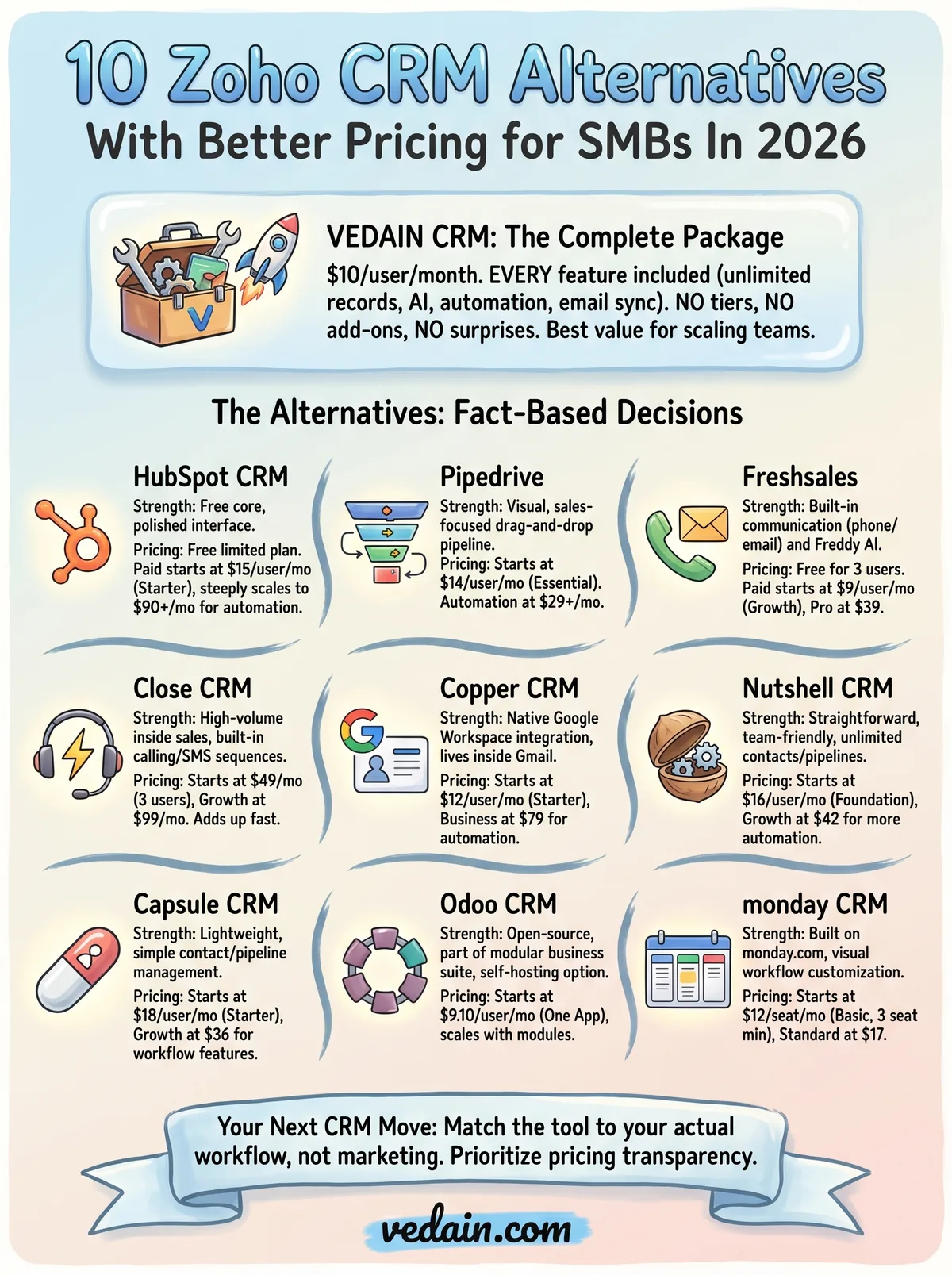
The real issue isn't that Zoho is bad software. It's that its pricing model forces growing teams into awkward upgrade decisions where basic features like workflow automation or email integration sit behind higher tiers. For small and mid-sized businesses watching every dollar, that model creates friction at exactly the wrong time, when you're scaling. What you need is a CRM that gives you everything upfront, at a price that doesn't punish growth. That's exactly why we built Vedain CRM at $10/user/month with every feature included, no tiers and no surprises.
This guide breaks down 10 alternatives to Zoho CRM that offer better value for SMBs in 2026. We compared each option across features, pricing transparency, ease of setup, and real suitability for small teams, so you can make a decision based on facts, not marketing pages.
1. Vedain CRM
Vedain CRM is built specifically for sales teams that want every feature included from day one, without navigating upgrade paths or decoding a pricing matrix. If you're comparing Zoho CRM alternatives and need a platform that is both affordable and complete, Vedain is worth a hard look.
What it is
Built around the full sales workflow, Vedain covers lead and contact management, deal pipelines, email sync, automated campaigns, workflows, and reporting. It also includes tools that most CRMs charge extra for or exclude from base plans entirely, like email warmup, an AI agent marketplace with 30+ pre-built agents, and LinkedIn posting. Setup takes under five minutes, and you don't need a credit card to start a trial.
Where it beats Zoho
Zoho's pricing forces you to choose between plans where key automation and email features sit behind higher tiers. Vedain eliminates that problem entirely. Every feature is available at the base price, including unlimited records, two-way email sync for Gmail and Outlook, workflow automation, and custom dashboards.
With Vedain, you pay $10 per user per month and get everything: no feature gates, no add-ons, and no surprise invoices at the end of the quarter.
Other advantages include a faster implementation timeline, a cleaner interface that sales reps actually adopt without hand-holding, and built-in AI tools that Zoho charges separately for through its Zia and AI add-on products.
Where it may fall short
Vedain is newer than Zoho, which means its third-party integration library is still growing. If your team depends on a specific niche integration out of the box, verify it is supported before switching. Zoho also has a longer track record with enterprise compliance features that very large organizations sometimes require.
Pricing
At $10 per user per month, Vedain charges a single flat rate with all features included. There are no tiers, no per-feature add-ons, and no minimum seat requirements. You can start a free trial at vedain.com without entering payment details.
2. HubSpot CRM
HubSpot is one of the most recognized names when evaluating Zoho CRM alternatives. It offers a broad platform that combines sales, marketing, and customer service tools under one roof, making it a frequent first stop for SMBs looking to switch.
What it is
Built around a free core CRM, HubSpot adds paid Hubs for marketing, sales, and service features on top. The contact and deal management tools are genuinely strong, and the interface is polished enough that most sales reps get up to speed quickly without extensive training or IT involvement.
Where it beats Zoho
The contact timeline and email tracking in HubSpot are cleaner and more intuitive than Zoho's equivalent features. The free tier is also genuinely useful for very small teams, giving you basic pipeline management and contact storage without paying anything upfront.
HubSpot's onboarding experience is significantly smoother than Zoho's, which matters when you need your team productive fast.
Where it may fall short
Once you move past the free tier, HubSpot's pricing scales steeply. Most SMBs hit a wall when they need automation or reporting features, which sit behind the Starter or Professional plans. Those plans can push your monthly bill into hundreds of dollars quickly, especially for teams larger than five users.
Pricing
Your team gets access to a free plan with limited features. Paid plans start at $20 per seat per month (Starter, billed monthly; from $7 billed annually) and jump to $90 per user per month (Professional), where most sales automation features unlock. Costs compound fast as your headcount grows.
3. Pipedrive
Pipedrive is a sales-focused CRM built around the idea that your pipeline should be visual, simple, and fast to manage. It consistently ranks as a top choice when sales teams search for Zoho CRM alternatives that prioritize deal tracking over a bloated feature set.
What it is
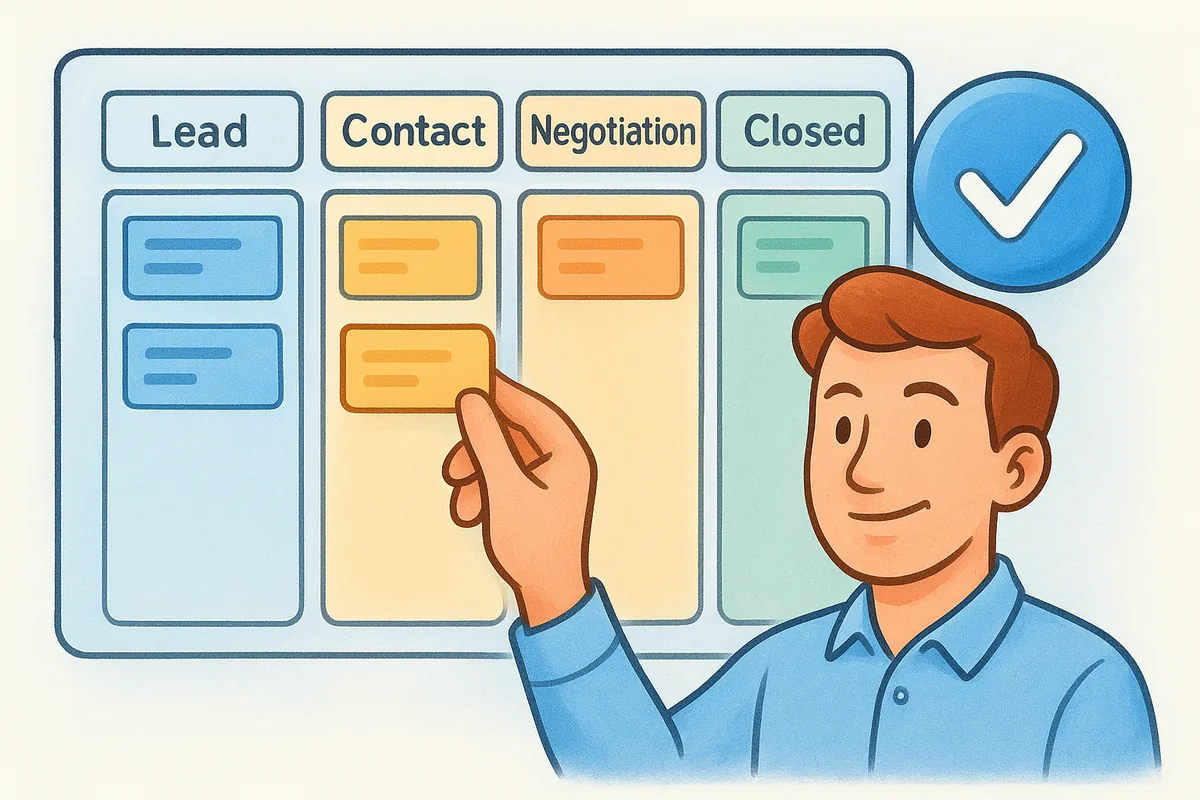
Pipedrive centers its design on a drag-and-drop Kanban pipeline that makes moving deals through stages fast and clear. The platform includes contact management, email sync, and activity reminders alongside a growing set of automation tools.
It is particularly well-suited for smaller sales teams that want a focused selling tool rather than a broad business suite with features they will never use.
Where it beats Zoho
The pipeline interface is noticeably cleaner than Zoho's, which drives faster rep adoption without IT hand-holding. Pipedrive also delivers solid email tracking and activity scheduling without requiring configuration across multiple modules.
For teams that primarily need deal management, Pipedrive offers a faster learning curve than most platforms in this category.
Where it may fall short
Pipedrive's marketing and reporting tools are limited compared to Zoho's broader feature set. You will not find native lead scoring or advanced analytics at the base tier.
Teams that need workflow automation built into their starting plan will quickly find themselves pushed toward higher-priced tiers, which adds up fast as headcount grows.
Pricing
Pipedrive's Lite plan starts at $14 per user per month, billed annually. Automation features unlock at the Growth tier at $39 per user per month (billed annually; lower in some regions), with costs continuing to rise from there.
4. Freshsales
Freshsales is Freshworks' sales-focused CRM designed for teams that want built-in communication tools alongside traditional pipeline management. It's a recognizable name when teams explore Zoho CRM alternatives that bundle phone, email, and AI into a single platform.
What it is
Freshsales combines contact and deal management with a built-in phone dialer, email sync, and live chat integration. The platform also includes Freddy AI, Freshworks' built-in AI assistant that handles lead scoring, deal insights, and next-step suggestions without requiring a separate add-on purchase at certain tiers.
Where it beats Zoho
The built-in phone dialer is one of Freshsales' clearest advantages over Zoho. You get calling capabilities directly inside the CRM without connecting a third-party tool, which cuts setup time significantly for inside sales teams that live on the phone throughout the day.
Freshsales' clean interface and built-in communication stack make it a practical choice for teams that need calling and email in one place from day one.
Where it may fall short
Workflow automation in Freshsales is restricted at lower tiers, so you will need to upgrade to access the tools most growing teams depend on daily. The platform also has a narrower third-party integration library compared to Zoho, which can create friction if your stack relies on less common tools.
Pricing
Freshsales no longer lists a free plan on its pricing grid, but offers a 21-day trial. Paid plans start at $9 per user per month on the Growth plan (billed annually), with Pro at $39 and Enterprise at $59 per user per month.
5. Close CRM
Close CRM targets inside sales teams that spend most of their day on calls and follow-ups. It is a recognized name among Zoho CRM alternatives, especially for teams that prioritize outreach volume and speed over a broad platform feature set.
What it is
The platform wraps CRM functionality around a built-in calling and SMS system, keeping all outreach tools in one place. Your team gets email, phone, and SMS sequences inside a single interface, which cuts the need to jump between tools during a high-volume sales day. Close is designed to keep reps moving through their contact lists without switching apps constantly.
Where it beats Zoho
Unlike Zoho, Close gives you native calling and SMS without connecting third-party tools, saving setup time and keeping reps focused on selling. The sequence builder for email and call steps is also more intuitive and faster to configure than Zoho's workflow module.
For inside sales teams running high outreach volume, Close's all-in-one communication stack removes a real operational headache.
Where it may fall short
Teams that need strong marketing tools, custom reporting, or advanced pipeline analytics will find noticeable gaps in Close's feature set. The contact and deal management capabilities are also more basic than what Zoho offers at comparable price points, which limits its usefulness for teams with complex pipeline structures.
Pricing
Plans are priced per user: the single-user Solo tier starts at $9 per month and Essentials at $35 per user (discounted annual rates). The Growth plan costs $99 per user per month, so costs add up quickly as your headcount grows.
6. Copper CRM
Copper CRM takes a different angle than most Zoho CRM alternatives by building its entire platform around the Google Workspace ecosystem. If your team lives inside Gmail and Google Calendar every day, Copper removes most of the friction that comes with adopting a new CRM.
What it is
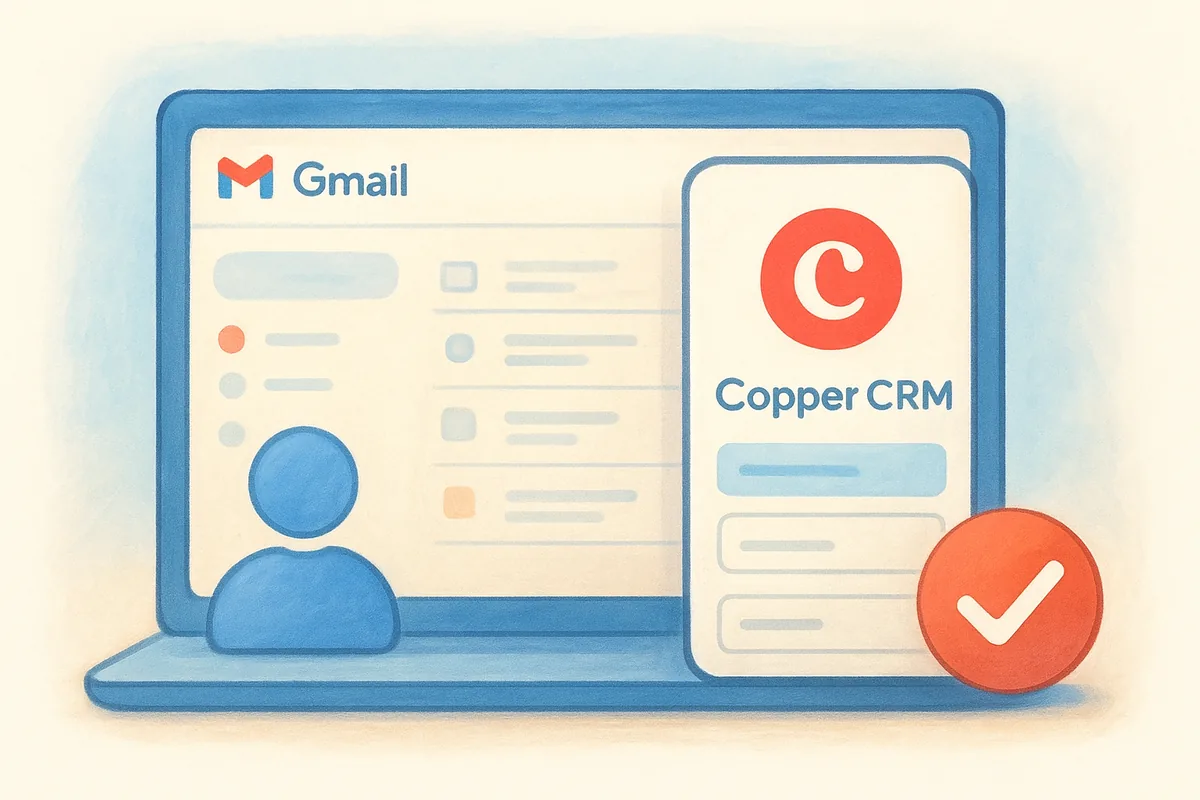
Copper sits directly inside Gmail as a sidebar panel, logging contacts, deals, and activities without requiring you to open a separate app or tab. The platform pulls contact data automatically from your Google account, reducing the manual data entry that slows most CRM onboarding processes down considerably.
Where it beats Zoho
For Google Workspace users, Copper's native integration is meaningfully tighter than anything Zoho offers at a comparable price point. You get contact and deal management without ever leaving your inbox, which speeds up daily rep workflows and cuts the habit-building time required to actually use the CRM consistently.
Teams already running on Google Workspace will find Copper's setup faster and less disruptive than switching to a broader platform like Zoho.
Where it may fall short
Copper is built almost exclusively for Google Workspace users, so Microsoft 365 teams get very little value from the platform's core selling point. The reporting and automation capabilities are also more limited than what Zoho delivers at mid-tier pricing, which can frustrate growing teams that need deeper pipeline visibility.
Pricing
Copper's Basic plan begins at $23 per user per month, billed annually. The Business plan, which unlocks most automation features, runs $99 per user per month.
7. Nutshell CRM
Nutshell CRM is a US-based platform that positions itself as a straightforward, team-friendly option among Zoho CRM alternatives. It targets small businesses that want reliable pipeline management without a steep learning curve or complex configuration requirements.
What it is
Nutshell covers contact management, deal pipelines, email sync, and reporting in a clean interface that most reps can navigate from day one. The platform also includes built-in email sequences and team collaboration tools, which makes it a reasonable choice for small sales teams that need a unified workspace without paying for multiple separate tools.
Where it beats Zoho
Nutshell's onboarding process is faster and less technical than Zoho's, which tends to require more configuration time before a team can sell productively. You also get unlimited contacts and pipelines included in the base plan, removing one of the common friction points teams encounter when they outgrow Zoho's entry-level tier.
Nutshell's customer support reputation is consistently strong, which matters when your team needs answers during a busy sales cycle.
Where it may fall short
The automation capabilities are less advanced than what Zoho offers at mid-tier pricing, which limits Nutshell's usefulness for teams with complex, multi-step workflow requirements. You will also find fewer native integrations compared to Zoho's broader ecosystem, so verify your existing tools connect before committing.
Pricing
Nutshell's Foundation plan starts at $13 per user per month, billed annually. The Growth plan, which adds more automation features, runs $25 per user per month.
8. Capsule CRM
Capsule CRM is a lightweight, relationship-focused platform that appeals to small businesses looking for simplicity without sacrificing the core tools they need daily. It sits comfortably among Zoho CRM alternatives for teams that find Zoho's feature depth more overwhelming than helpful.
What it is
Capsule focuses on contact management and pipeline tracking in a stripped-down interface that prioritizes ease of use over a broad feature catalog. The platform includes task management, email integration, and basic reporting, giving small teams a tidy workspace without the configuration overhead that heavier CRMs require upfront before you can start selling.
Where it beats Zoho
Capsule's setup process is significantly faster than Zoho's, which means your team spends less time in configuration and more time actually working deals. The interface is cleaner and less cluttered, which drives better daily rep adoption, particularly in teams without dedicated CRM administrators.
For small businesses that just need contacts, deals, and tasks managed reliably, Capsule removes the noise and delivers exactly that.
Where it may fall short
Capsule lacks the advanced automation and workflow tools that growing teams depend on as their sales process matures. You will also find limited reporting capabilities compared to what Zoho offers at mid-tier pricing, which creates visibility gaps for managers tracking team performance across multiple pipelines.
Pricing
Capsule's Starter plan begins at $18 per user per month, billed annually. The Growth plan runs $36 per user per month and unlocks additional pipelines and workflow features.
9. Odoo CRM
Odoo CRM is an open-source platform that takes a fundamentally different approach from most Zoho CRM alternatives on this list. It sits inside a larger modular business suite that covers everything from accounting and inventory to project management and HR, making it more of an all-in-one business operating system than a standalone sales tool.
What it is
Odoo gives you contact management, deal pipelines, and email integration alongside dozens of other business modules that you can activate as your needs grow. The platform is available as both a cloud-hosted version and a self-hosted installation, which gives technically capable teams a level of control and customization that most SaaS CRMs simply cannot match.
Where it beats Zoho
Odoo's modular architecture means you only pay for what you actually use, which keeps costs lower for small teams that do not need a full feature suite from day one. The self-hosting option also gives you full data control, which is a meaningful advantage for businesses operating under strict data residency requirements.
Teams that need CRM and ERP functionality under one roof will find Odoo's integrated approach more cost-effective than buying separate tools.
Where it may fall short
Setting up Odoo takes significantly more technical effort than Zoho or most cloud-native CRMs. You will need internal IT resources or a developer to configure and maintain the platform properly, which adds hidden implementation costs that the subscription price does not reflect.
Pricing
Odoo's CRM module is free (one app, unlimited users) per user per month on the One App Free plan. Access to multiple modules jumps to about $24.90 per user per month on the Standard plan, billed annually (first-year discount; prices vary by region).
10. monday CRM
monday CRM is built on top of the monday.com work management platform, giving it a distinct visual and workflow-oriented identity compared to most Zoho CRM alternatives. It appeals to teams that already use monday.com for project management and want to keep their sales pipeline inside the same ecosystem rather than managing a separate tool.
What it is
monday CRM delivers contact management, deal tracking, and sales reporting inside the familiar monday.com board interface. The platform uses customizable columns and automation recipes to let teams shape the CRM around how they actually sell, rather than forcing them into a rigid default structure that requires heavy reconfiguration.
Where it beats Zoho
The visual board layout is more flexible than Zoho's pipeline view, making it easier to customize deal stages and track tasks without navigating multiple modules. monday CRM also handles cross-team visibility well, which helps when sales and operations need to share information on the same platform without creating duplicate data entry headaches.
Teams already working inside monday.com will find the CRM setup significantly faster than migrating to a separate platform like Zoho.
Where it may fall short
monday CRM lacks the depth of native sales features that dedicated CRM platforms deliver at comparable pricing. You will not find built-in email warmup, lead scoring, or advanced campaign sequencing in the core product, which limits its usefulness as your team matures its outbound sales process.
Pricing
monday CRM's Basic plan starts at $12 per seat per month, billed annually with a minimum of three seats. The Standard plan runs $17 per seat per month and unlocks most automation and integration features your team will actually need day to day.
How does Vedain compare as a Zoho alternative?
One clean workspace instead of the 50-product maze — full comparison inside.
See Vedain vs Zoho CRM →Your next CRM move
Every Zoho CRM alternative on this list solves a different problem, so the right pick depends on what is actually slowing your team down right now. If pricing transparency and a complete feature set matter most, Vedain CRM gives you everything at $10 per user per month with no tiers, no add-ons, and no surprises when the invoice lands. Teams on Google Workspace will lean toward Copper. Inside sales teams running high call volume will find Close a better fit. The point is to match the tool to your actual workflow, not the other way around.
Your decision ultimately comes down to what you need on day one versus what you are willing to pay extra for later. Most of the Zoho CRM alternatives covered here lock key features behind higher tiers, which means your costs grow faster than your team does. If you want to skip that cycle entirely, start a free trial with Vedain CRM today with no credit card required.
Frequently Asked Questions
What is the best Zoho CRM alternative for SMBs?
The best Zoho CRM alternatives for SMBs in 2026: Vedain ($10/user/month) for the best value with all features included, Freshsales (from ₹749/user/month billed annually for Indian teams) for a cleaner modern UI, HubSpot ($20-90/user/month) for marketing integration, and Pipedrive ($14-79/user/month, annual) for pipeline focus. Choose based on your team's primary pain point with Zoho: if it's price → Vedain; if it's UI complexity → Freshsales or Pipedrive; if it's marketing integration → HubSpot.
What are the main complaints about Zoho CRM?
Common Zoho CRM complaints from SMBs: (1) UI feels dated and cluttered compared to Pipedrive or HubSpot, (2) too many features and options overwhelm non-technical users, (3) advanced automation (Blueprint, CommandCenter) requires Enterprise tier ($40+/user/month), (4) Zia AI is less mature than HubSpot's Breeze or Freshsales' Freddy, (5) integrations with non-Zoho tools require more configuration than HubSpot's plug-and-play approach. Zoho is feature-rich but requires more investment to configure correctly.
Is Freshsales better than Zoho CRM?
Freshsales is better than Zoho CRM on UI/UX — it's more modern, faster to navigate, and new sales reps adopt it more quickly. Zoho CRM is better on ecosystem breadth — integrating with Zoho Books, Zoho Desk, Zoho Projects in one suite gives finance/support/project visibility from CRM. On features, they're comparable at mid tiers. On price, they're similar for Indian teams (both offer INR billing). Choose Freshsales for a standalone, user-friendly CRM; choose Zoho if you want multiple business functions from one vendor.
How does HubSpot compare to Zoho CRM for SMBs?
HubSpot vs Zoho CRM for SMBs: HubSpot has a cleaner, more intuitive UI and stronger marketing automation. Zoho CRM has more features per dollar and better Indian market support. At comparable tiers, Zoho CRM Professional (₹1,400/user) vs HubSpot Sales Hub Starter ($20/user = ~₹1,660) — they're price-comparable. At full features, Zoho Enterprise ($40/user) vs HubSpot Professional ($90/user) — Zoho is 55% cheaper. For SMBs primarily selling (not marketing), Zoho's feature-to-cost ratio beats HubSpot at every tier.
Can I switch from Zoho CRM to another platform and keep my data?
Yes. Zoho CRM exports all data (contacts, leads, accounts, deals, activities, notes) in CSV format. Most CRMs import from Zoho CSV. What migrates well: contact and deal records, custom fields (with manual mapping). What's harder: Zoho Blueprint automations (complex workflow logic requires recreation), Zoho Analytics dashboards, and Zoho CRM's Canvas custom views. Plan 1-2 weeks for a 10-person team migration. If you're migrating to Freshsales or HubSpot, their migration teams offer free assistance.
What is cheaper than Zoho CRM with similar features?
CRMs cheaper than Zoho CRM with similar features: Vedain — $10/user/month (all features, AI included, cheaper than Zoho Standard at $14/user). Freshsales Growth — $9/user/month billed annually (Freshsales no longer lists a free plan; Zoho free is 3 users max). For comparable automation and AI features, Zoho CRM starts at ₹1,400/user (Professional) while Vedain includes equivalent features at ₹500/user ($10). Vedain is one of the few platforms that undercuts Zoho CRM's price while including AI sales agent, email automation, and full reporting.